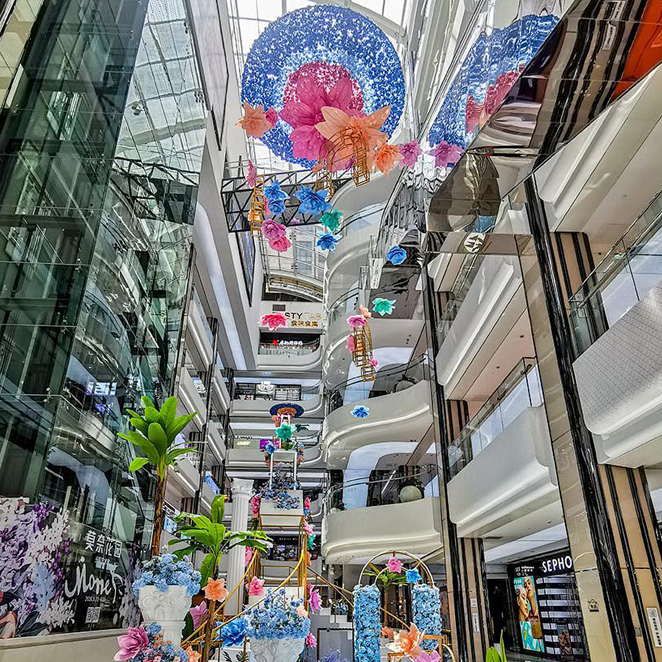
 Spring Warm Blossom Series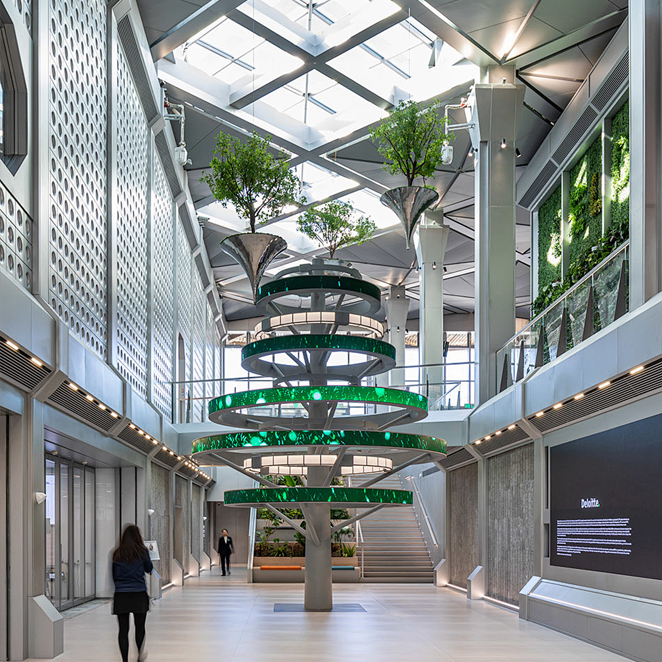

Natural materials: such as wood, stone, metal, water, etc., commonly used to depict the power of nature, ecological issues, or traditional culture
Industrial materials: Modern materials such as steel, plastic, glass, rubber, and DuPont paper can symbolize the power of modern industry and technology, conveying calmness, precision, or a sense of the future. Industrial materials typically have a tough appearance or smooth texture, making them easy to shape geometric shapes and large structures.
Flexible materials: lightweight and flexible materials such as fabrics, paper, gauze, etc., used to express soft emotions, fluidity, or temporality. Flexible materials are prone to flow with wind, light, or water, bringing vivid dynamic effects to the artwork.
Mall Atrium Decoration
|
Christmas Light Show |
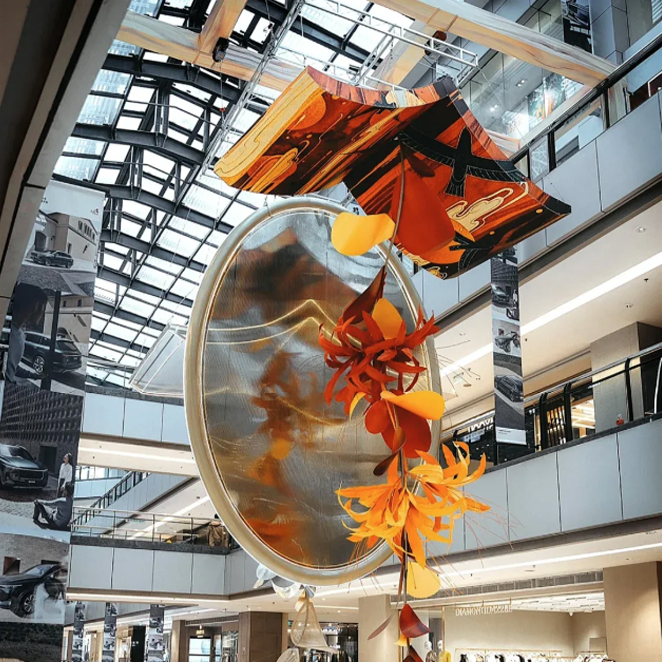
Fallen Leaf Hanging Device |
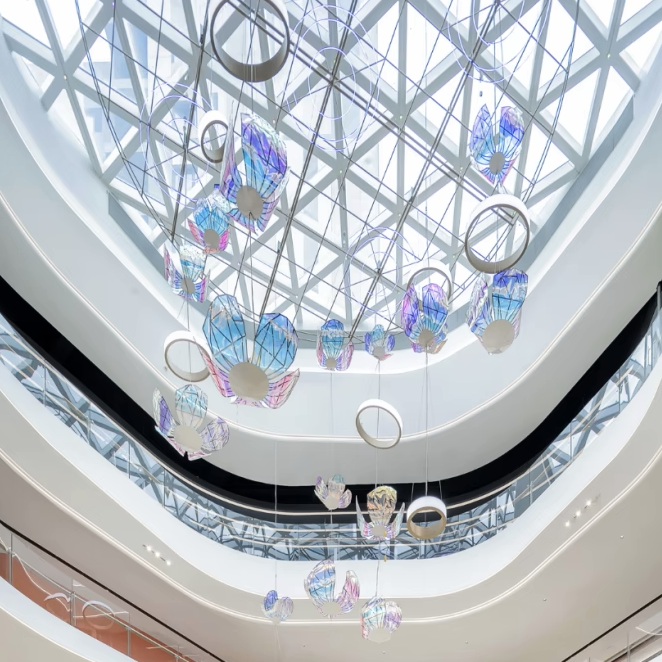
Acrylic Folding Flowers & Rings |
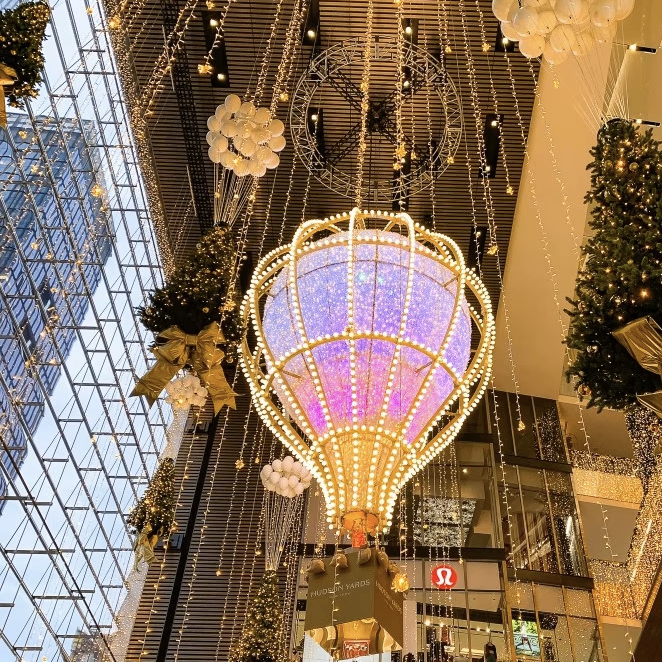
Hot Air Balloon Hanging Device |
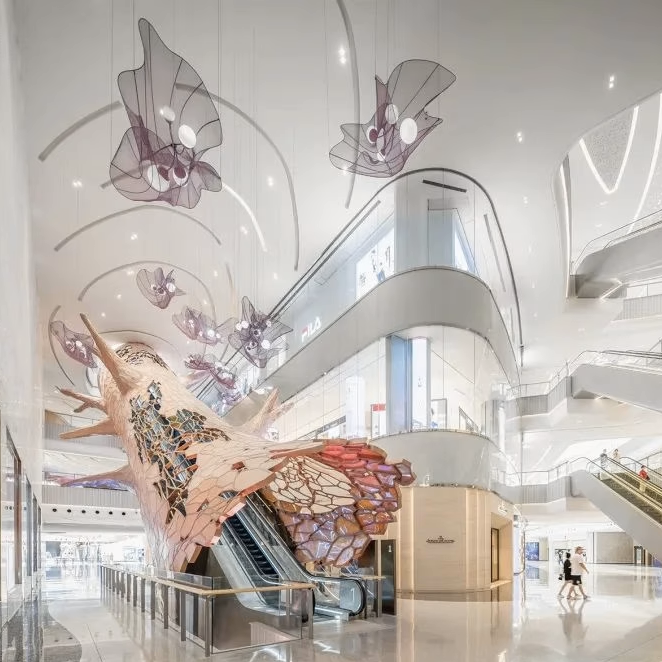
Escalator Tree Trunk Decoration & Floral Arrangement |
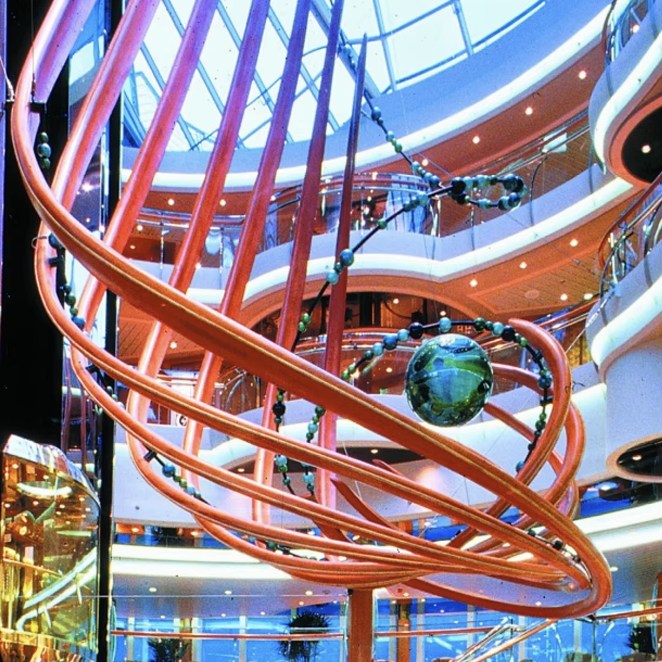
Starry Sky Theme Series |
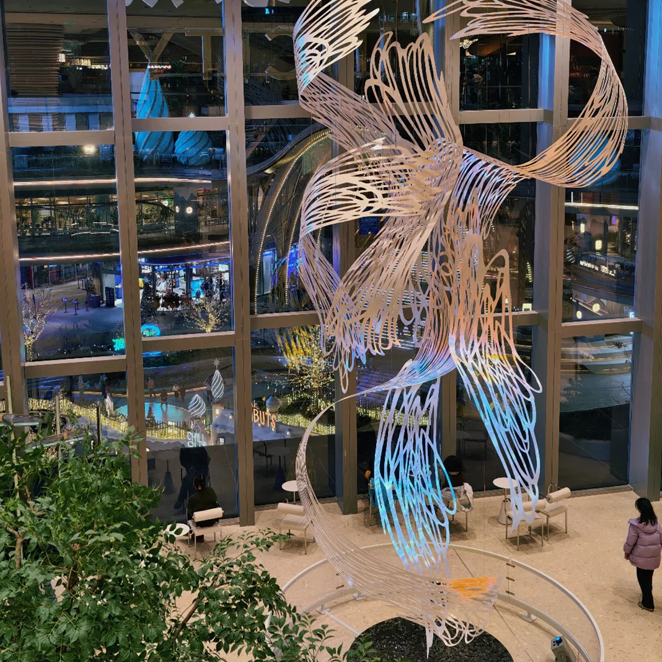
Metal Colorful Ribbon |
Premium ProductsEngineered for quality, built for durability, finished with professional excellenc. |
Total CustomizationTailor size, materials, colors & design. We deliver exactly what you envision. |
Smart Value PricingPremium quality without premium costs. Maximize your budget impact. |
White-Glove Service10+ years expertise guiding your project from concept to delivery. Hassle-free partnership. |
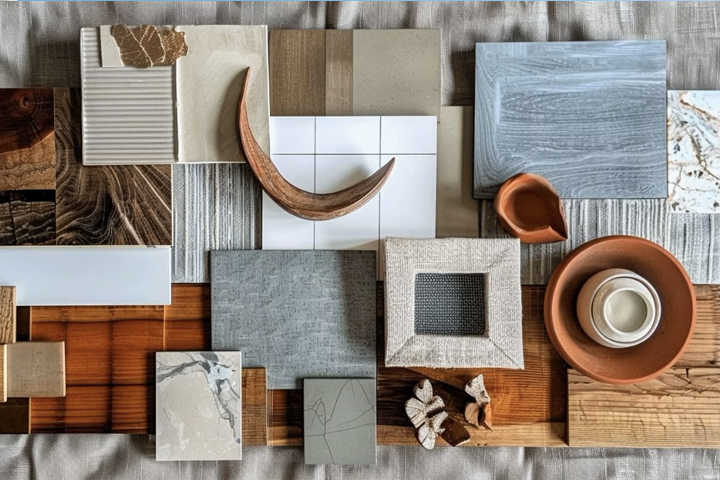
Material Analysis
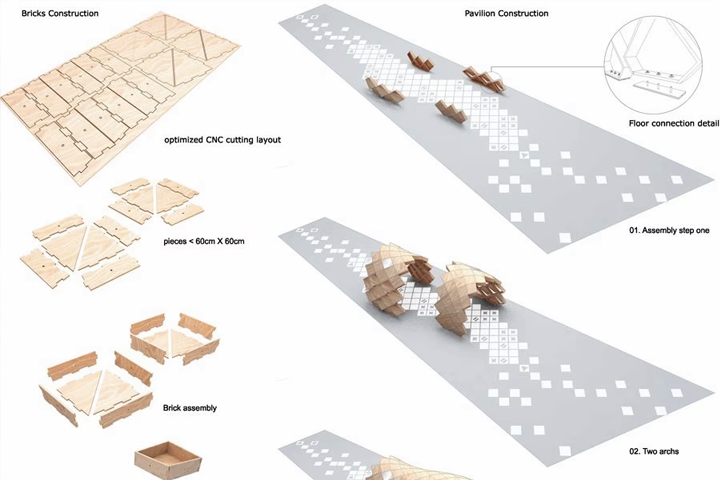
Technical Points
Stacking and Assembly: Creating a sense of depth and hierarchy by stacking or splicing different materials. The combination of multiple materials can increase the complexity of a work, creating multiple meanings and visual impact. For example, combining hard and flexible materials can create a contrasting effect of both rigidity and flexibility.
Cutting and breaking down, cutting, or breaking down materials to give them new meanings by changing their original state.
Hanging and floating: Hanging materials in space to make them float or move. By changing the gravity of the work, the installation is endowed with more dynamics and spatial sense. Suspended objects can move freely in the air, generating fluidity and uncertainty.
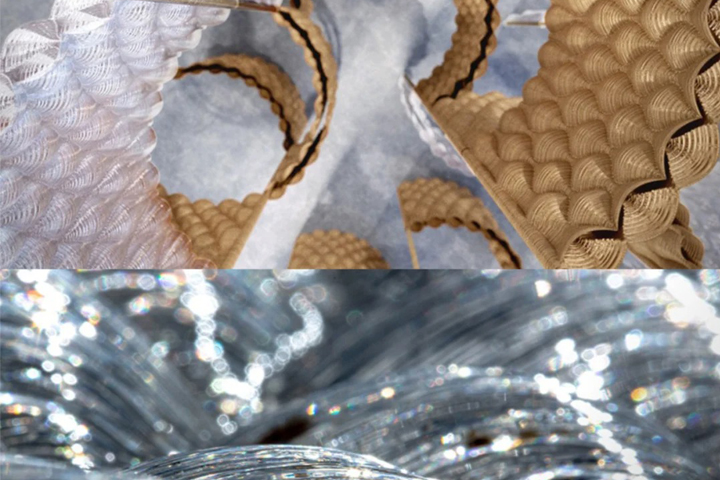
Standardized Production, Project Implementation
Modular structure: Divide the work into multiple combinable modules, each of which can exist independently or be combined with other modules to form more complex forms. The modular structure allows works to be flexibly adjusted according to different spaces during exhibition.
For example, embedding a part of the device into the wall makes it difficult for the audience to distinguish between the artwork and the space, enhancing the immersion of the artwork.
Applications
 Shopping center Shopping center |  Outdoor Plaza Outdoor Plaza |  Office building Office building |  Industrial park Industrial park |
Related Products